
Your guide to keeping your family healthy
What Are Vaccines?
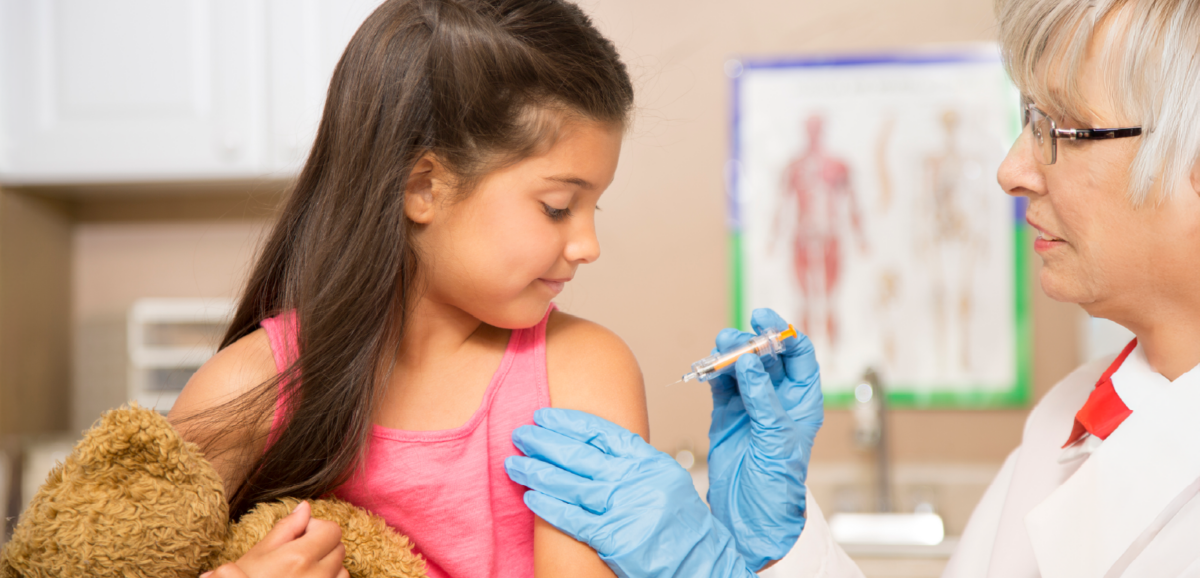
Vaccines (also known as “immunization” or “shots”) are special medicines that help our bodies fight off diseases. The World Health Organization (WHO) has closely studied vaccines and states that vaccines are the most important thing we can do to keep our children healthy and help them grow up to be healthy adults. According to WHO, vaccines have saved at least 154 million lives over the past 50 years!
It can feel like your child is getting a lot of shots, but making sure they get them on time is very important for their health.
Below is a quick guide to some recommended childhood vaccines
- COVID-19: Protects against COVID-19.
- Diphtheria, Tetanus, and Pertussis (DTaP): Protects against diphtheria (blocked breathing), tetanus (also known as “lockjaw”), and whooping cough.
- Haemophilus Influenzae Type b (Hib): Protects against a bacteria that can cause infections leading to brain damage, difficulty breathing and other serious symptoms.
- Hepatitis A (HepA) and Hepatitis B: Protects against viruses that hurt the liver. Hepatitis B (HepB) is usually given to newborns in the hospital.
- Pneumococcal (PCV15): Protects against pneumonia (lung infection) and other sickness caused by a bacteria called pneumococcus.
- Polio (IPV): Protects against polio, a disease that can cause paralysis (not able to move).
- Rotavirus (RV): Protects against a virus that causes diarrhea which can be very serious in babies.
- Influenza (Flu): Given each year to protect against the flu.
- Measles, Mumps, and Rubella (MMR): Protects against measles, mumps, and rubella. Measles has been on the rise in the U.S recently due to fewer children being vaccinated.
- Varicella (Chickenpox): Protects against chickenpox.
It’s important to talk to your primary care provider (PCP) about which vaccines kids need. They can help your family stay up to date with shots.
You can find information on recommended vaccines at the California Department of Public Health.
You can find a recommended vaccine schedule by age from the American Academy of Pediatrics.